My Story
Three threads that came together to create Amani
Art & Africa
My first path was cultural transmission. I hold a degree in art history with a specialization in African arts, and for more than twenty years I was deeply engaged in cultural projects — spaces where art became a language, a memory, a bridge between worlds. That chapter shaped how I see: as a woman attentive to symbols, to the stories we don't always tell out loud, and to the living richness of inherited knowledge.
Meeting Reiki
Then life led me toward a different kind of presence — quieter, more inward. When I discovered Reiki, I recognized a space of peace, deep listening, and reconnection to self. A practice that looks simple on the surface and holds extraordinary depth underneath. I found what I had been searching for a long time: a way of aligning body, heart, and consciousness.
Amani today
Amani Art & Energy was born at the meeting point of beauty, meaning, and transformation. Today, I walk alongside women who want to find their breath again, their clarity, their inner strength — through Reiki, sophrology, mentorship, and subtle approaches where art and aliveness meet.
My Vision of Reiki
To me, Reiki is far more than a technique. It's a path of reconnection. A space where you return to yourself — away from the noise, away from the shoulds, away from all the tension you've been holding. It's an invitation to slow down. To breathe. To listen to what is quietly asking to be heard. Reiki doesn't force anything. It doesn't impose. It gently meets what is already reaching, inside you, toward its own balance. I see Reiki as a practice of presence, of coming back to center, of inner peace. A practice of returning to what matters most.
My Reiki Lineage
I was trained in the tradition of Reiki Usui Shiki Ryoho, through a serious and respectful transmission. For several years now I've been walking a path of personal integration, regular practice, and continuous refinement. Today, I teach with that same care: to pass on more than a protocol, to transmit a posture, a quality of presence, and an ethic of care.
For those who join my mentorship, this means:
• a structured transmission,
• human, individualized support,
• spiritual depth without dogma,
• a solid professional container,
• teaching that is rooted in lived experience.

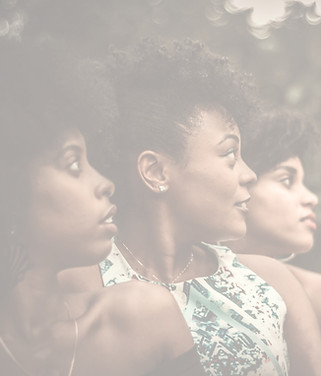
A BIPOC and Decolonial Approach
My work is grounded in a critical and inclusive consciousness of care. I believe deeply that wellness practices must be safe, respectful, and accessible to all identities.
This means recognizing that certain bodies, certain histories, and certain communities have often been made invisible, pathologized, or excluded from traditional spaces of healing. I hold particular care for BIPOC folks, multiracial and mixed-heritage people, those carrying migration stories, and anyone seeking a space where they don't have to justify their existence in order to be fully present.
A decolonial approach, for me, means:
• honoring the origins of the traditions I practice, without exoticizing them,
• stepping out of implicit cultural hierarchies,
• respecting singular, lived experience,
• practicing with humility, awareness, and ethics,
• placing the human being at the center, before any method.
In this way, care becomes a space of dignity, of breath, and of returning home to yourself.